Every year, as the calendar turns to January 1st, something remarkable happens in the world of creativity and culture. It is a moment when the doors of history swing open, and works that were once locked behind copyright protections step into the light, free for all to enjoy, remix, and reimagine. It’s a celebration of the Public Domain Day.
2026 is no different. Under Nigerian Copyright law, which grants protection to some creative works for 50 years after first publication, we are welcoming an extraordinary collection of creative treasures from 1976. Plays that moved audiences to tears and laughter, movies that captured the spirit of their time, and albums that became the soundtrack to countless lives, all of these now belong to everyone.
ALBUMS
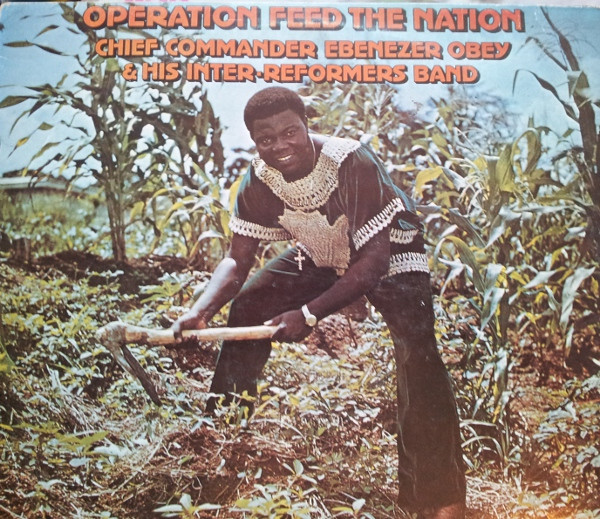
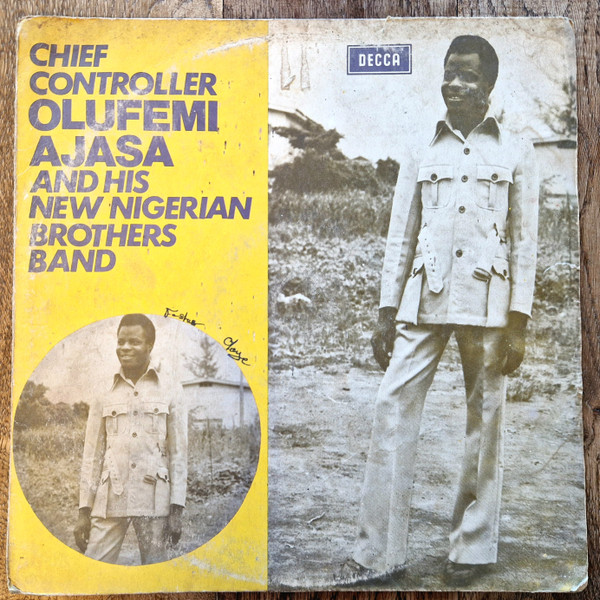
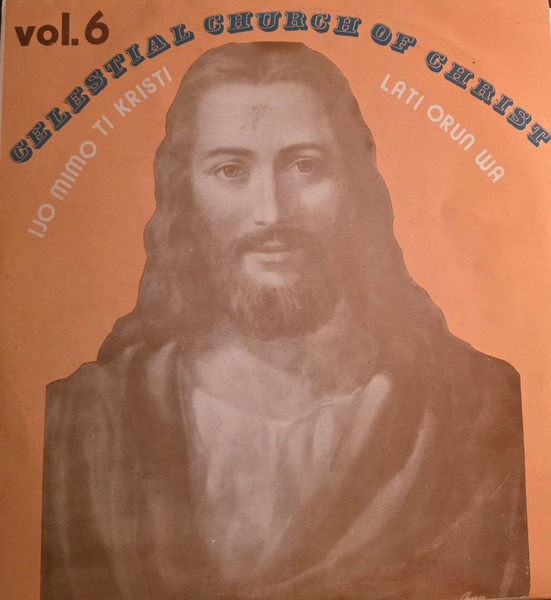
In 1976, Nigeria’s music scene pulsed with extraordinary creativity. Among the voices that shaped that year was Ebenezer Obey, the prolific Juju maestro popularly known as Chief Commander. He released “Operation Feed the Nation” reflecting the social and political climate of 1976, a year marked by significant events in Nigeria’s history. Obey had a distinctive ability to weave contemporary issues into his music, making his work both entertaining and socially relevant. His seven-track album became part of his extensive catalog that documented Nigeria’s journey through the 1970s.
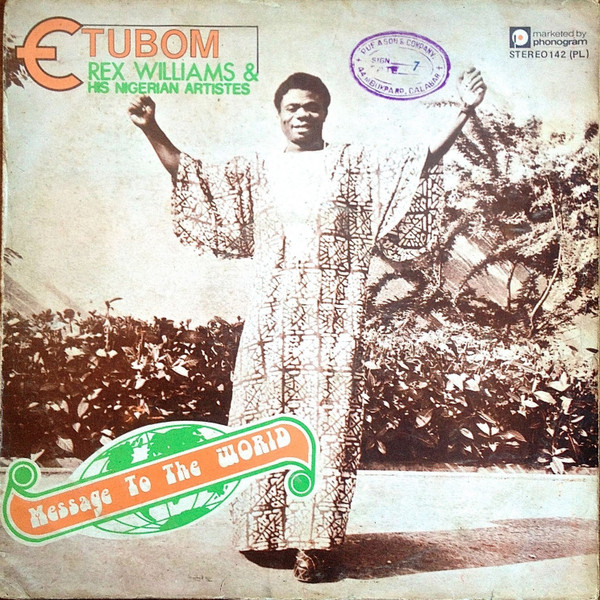
That same year, Etubom Rex Williams added his own chapter to the story with “Message to the World,” a five-track album that spoke across borders and cultures. Chief Controller Olufemi Ajasa and his New Nigerian Brothers Band contributed their distinctive sound through an eight-track collection that showcased the depth of Nigeria’s musical traditions.
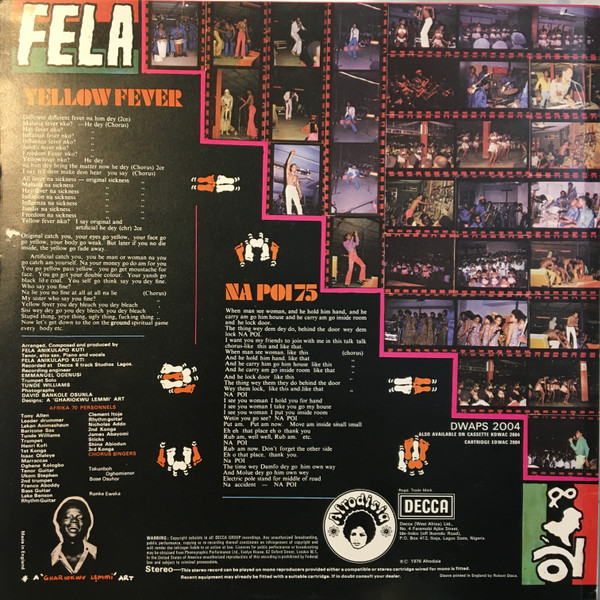
And then there was Fela Anikulapo Kuti, the legendary pioneer whose music was revolution itself. With Afrika 70, he unleashed “Yellow Fever” just two tracks, but each one was a powerful statement that would resonate far beyond 1976, challenging conventions and sparking conversations that continue today.
A few other Albums released in 1976 include
Late General Murtala Ramat Muhammed by Ebenezer Obey
Ubok Aka Inua by Etubom Rex Williams
Black Beat Disco by Narg Funk Machine (Nigerian Army Rhythm Group)
Ijo Mimo Ti Kristi Lati Orun Wa by Celestial Church of Christ Makoko
These albums, born in a single remarkable year, now step into the public domain ready to inspire new generations of artists, scholars, and music lovers who can explore, preserve, and reimagine these treasures of Nigerian cultural heritage.
PLAYS
In that same remarkable year, another towering figure added his voice to Nigeria’s creative symphony. Chief Hubert Ogunde, actor, playwright, theater manager, and musician, brought two powerful works to the stage.
“Muritala Mohamed (1976)” premiered at Glover Hall, while “Oree Niwon (1976)” found its first audience in Ilorin. These plays presented moments when communities gathered, stories became shared experiences, and art reflected the pulse of a nation.
Ogunde’s journey had begun decades earlier, in 1945, when he founded what would become a revolutionary force in African theater. It started as the African Music Research Party, the first contemporary professional theatrical company in Nigeria. Over the years, as his vision evolved, so did the name. It was first changed to Ogunde Theater Party, then the Ogunde Concert Party, and finally, in 1960, simply Ogunde Theater.
For three decades, until his passing in 1990, this company remained a beacon of Nigerian creativity. Today, Chief Hubert Adedeji Ogunde is remembered as the “father of Nigerian theatre,” and these 1976 plays now entering the public domain stand as enduring monuments to his pioneering spirit and the transformative power of live performance.
MOVIES
In 1976, Nigeria’s creative awakening extended beyond music and theater into the world of cinema, where Ola Balogun, filmmaker, director, and scriptwriter, was crafting stories that would resonate across generations.
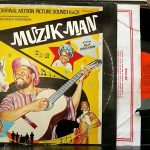
His film “Muzik Man” broke new ground by blending pidgin and English, a deliberate choice that opened doors to audiences across Nigeria’s diverse linguistic landscape. The screen came alive with performances from Georges Anderson, Bisi Odumosu, Rosemary Da Costa, Art Alade, Power Mike, and the enigmatic Twins Seven Seven. The film’s impact rippled beyond the cinema, giving birth to the “Muzik Man OST“, a six-track album by Georges Anderson that captured the film’s spirit in sound.
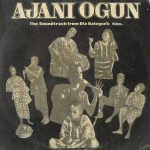
That same year, Balogun released “Ajani Ogun,” a tale of justice and resistance. It followed a young hunter, Ajani-Ogun, whose battle against a corrupt politician became a mirror for Nigeria’s own struggles with power and integrity. When shady civil servants conspired to steal his family’s land after his father’s death, Ajani’s fight became everyone’s fight. The film featured extraordinary talents like Adeyemi Afolayan, Idowu Adebisi, Mope Ilori, Duro Lapido, and Roxy Mayford, each bringing depth to this story of courage.
Like “Muzik Man,” this film also birthed its own soundtrack, ‘Ajani Ogun’, seven tracks that now, fifty years later, join these cinematic treasures in the public domain.
WHAT NEXT?
As these treasures from 1976 step into the public domain, they carry with them fifty years of stories, memories, and cultural significance.
The Public Domain ensures that the creativity that defined a generation can inspire countless generations to come. Students can study them, artists can reimagine them, archivists can preserve them, and communities can celebrate them freely and without barriers.
Public Domain Day reminds us that culture is not meant to be locked away forever. It’s meant to flow and evolve, to spark new ideas and conversations. These works have completed their journey through copyright protection, and now they begin a new one where their reach is limitless, and their potential for inspiration knows no bounds.
Now, the big question is this. What will you create with these newly freed cultural treasures?