I got to know about Free Knowledge Africa for the first time this year, and the experience has been nothing short of transformative. I gained so much from the opportunities they provided, and each one helped me understand open knowledge in ways I never imagined.
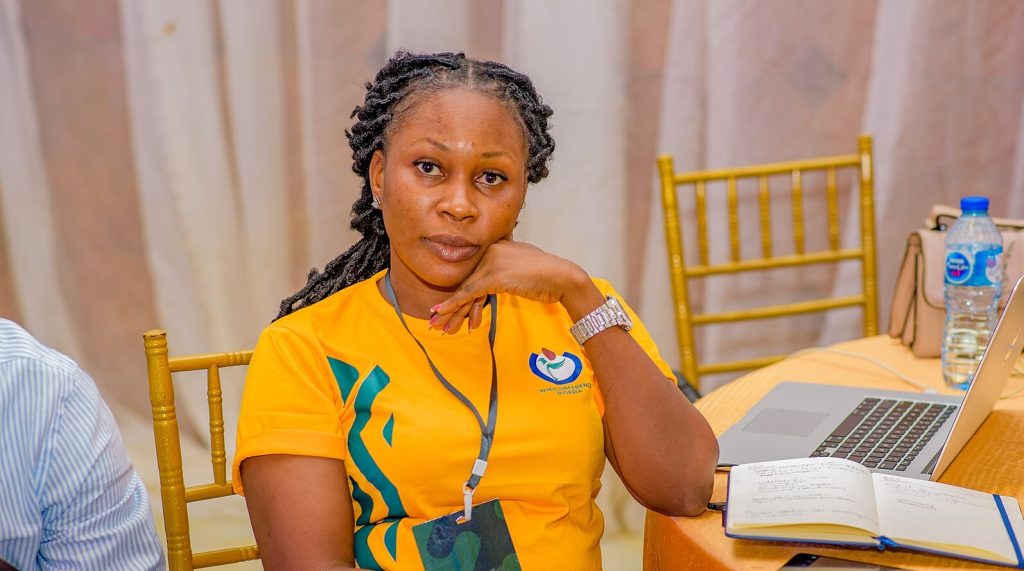
Stay with me as I walk you through how these programs shaped my year and deepened my passion for sharing knowledge.
1. Open Educational Resource (OER) Training
The first opportunity I received was being selected for the Open Educational Resource (OER) Training. This program completely reshaped how I see knowledge, access, and learning.
Unlike the traditional education model that restricts access, open education promotes inclusivity, removing barriers and allowing anyone, anywhere, to learn, teach, and contribute.
Some of the key benefits of OER we explored include:
- Expanded educational reach
- Significant cost reduction
- Pedagogical innovation
- Inclusivity and lifelong learning
These benefits helped me understand just how powerful OER is for the world.
Before the training, I did not know the difference between OER and the public domain. I honestly assumed they were the same. Now I clearly understand how they differ and why they matter.
We also explored platforms that support open knowledge, such as the Internet Archive and OER repositories, and how to access and contribute free educational content.
Before the training, I was only familiar with two Creative Commons licenses: CC BY 0 and CC BY 4.0. But this program opened my eyes to the full range of open licenses, how they work, and where they are used. This helped me understand how to use, reuse, and share content responsibly.
Two important tools I learned about were:
- CRAAP Test – used to evaluate the quality of educational content, especially when internet access is limited.
- Kolibri – a powerful tool that helps deliver learning resources in communities with poor or no internet access.
These tools demonstrated to me that open knowledge is not just about access; it’s also about making learning possible for everyone, regardless of their location.
2. OER Capstone Project: Folktales and Oral Traditions Archives
For the capstone project, my work titled “Folktales and Oral Traditions Archives” was selected.
I documented folktales, proverbs, and traditional stories across different Niger Delta languages.
One of the most fascinating stories I recorded explained why dogs and pigs are not allowed in the Opobo Kingdom in Rivers State. You can listen to it here.
During this project, I realized that many traditional stories are slowly disappearing because they are passed down orally by elders. If we do not document them, we risk losing a huge part of our cultural identity. I’m truly glad that these stories are now preserved on Wikimedia Commons, where anyone can access, learn from, and reuse them for cultural, educational, and research purposes.
3. Wikisource Bootcamp
Another opportunity I received was being selected for the Wikisource Bootcamp. Although I already contributed to Wikipedia, Wikidata, and Wikimedia Commons, this bootcamp helped me understand Wikisource in a deeper and more practical way. I learned how to:
- Upload books from the Internet Archive to Wikimedia Commons
- Add those books to Wikisource
- Proofread, validate, and finalize digitized texts.
This training broadened my skills and gave me new ways to support free access to knowledge.
4. Wikimania 2025
Another highlight was participating virtually in Wikimania 2025. Thanks to Free Knowledge Africa, my data subscription was sponsored. Wikimania was exciting, inspiring, and eye-opening. I learned a lot.
The experience pushed me to think bigger about how open knowledge can preserve our culture, improve learning, and expand access to information across Africa and beyond. This year with Free Knowledge Africa taught me that sharing knowledge is not just a contribution, it’s an impact. I’m grateful for every opportunity, and I look forward to contributing even more in 2026.
Andikan Eduok